
Uptime monitoring tools help your business deliver your services reliably and inform customers about any incidents.
In this article we take a closer look at some of the different tools that are available on the market.
What is uptime monitoring?
Uptime or availability monitoring services continuously check whether your website is up or down, whether it works as expected or whether there's an outage.
For example, every minute you might make a request to your homepage URL to check if your server sends a valid response.
Based on this, the tools can then trigger an alert when there's an issue and notify your team. Some tools also offer additional features to set up custom status pages to keep your customers informed as well.
Why do you need an uptime monitoring tool?
You don't want to find out about a broken website from your customers. Instead, proactive monitoring ensures that you can fix problems with minimal impact.
Uptime monitoring tools reduce the time from the start of an incident to when it is resolved.
1. UptimeRobot
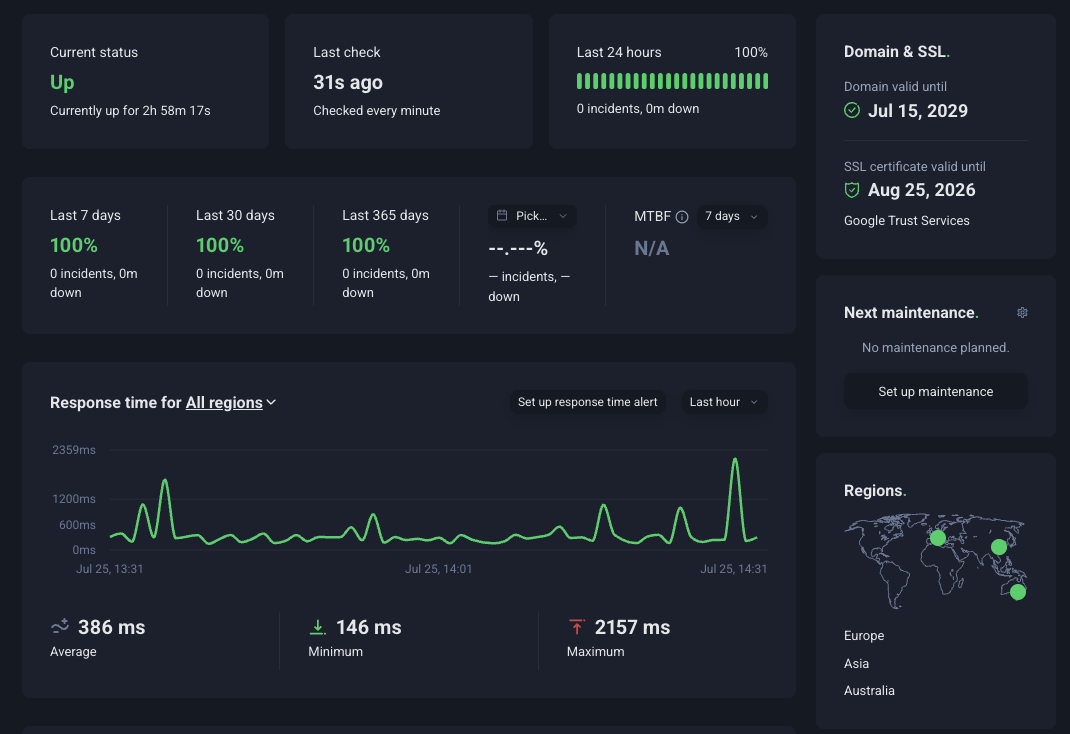
UptimeRobot is a focused tool aimed at ensuring website availability. It provides a number of different types of uptime monitoring, and does not stray into page speed checks, transaction monitoring, or visitor analytics.
You can also create public status pages to communicate uptime and incidents to customers.
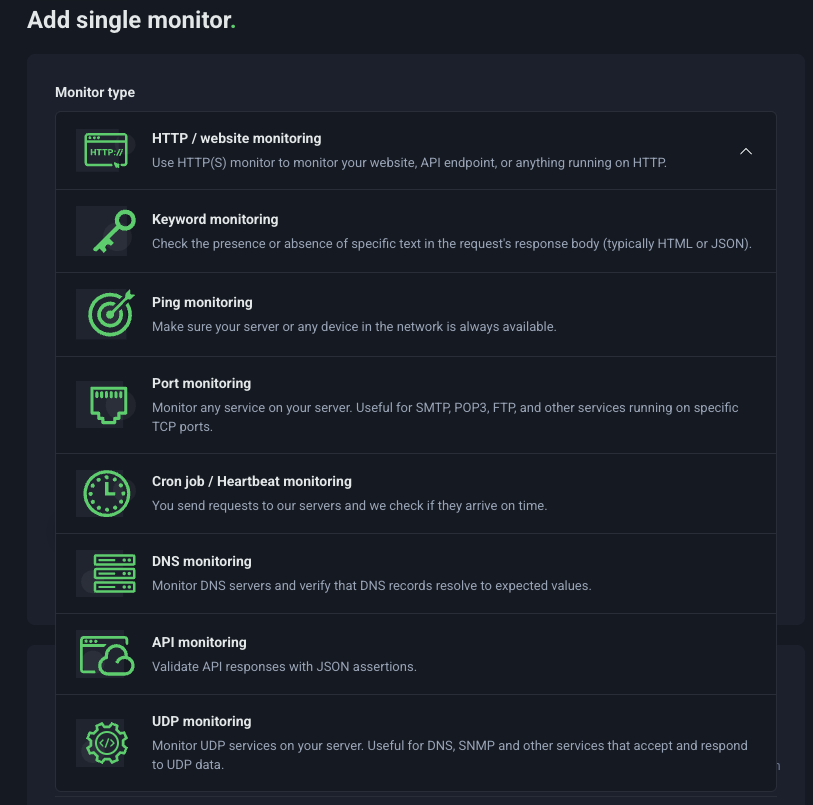
Creating a monitor is easy, just pick the type of monitor you want to create and specify the target URL.
You can run HTTP checks on your website, confirm that a page contains specific keywords, test server availability, monitor DNS, and more.
UptimeRobot offers a free plan, with paid plans starting at €9 a month.
2. Pingdom
Pingdom by SolarWinds is a comprehensive website monitoring product that doesn't just let you monitor uptime but also page speed, website transactions, and real user visits.
You can then configure custom alerts to get notified via email, SMS, or through various incident management products.
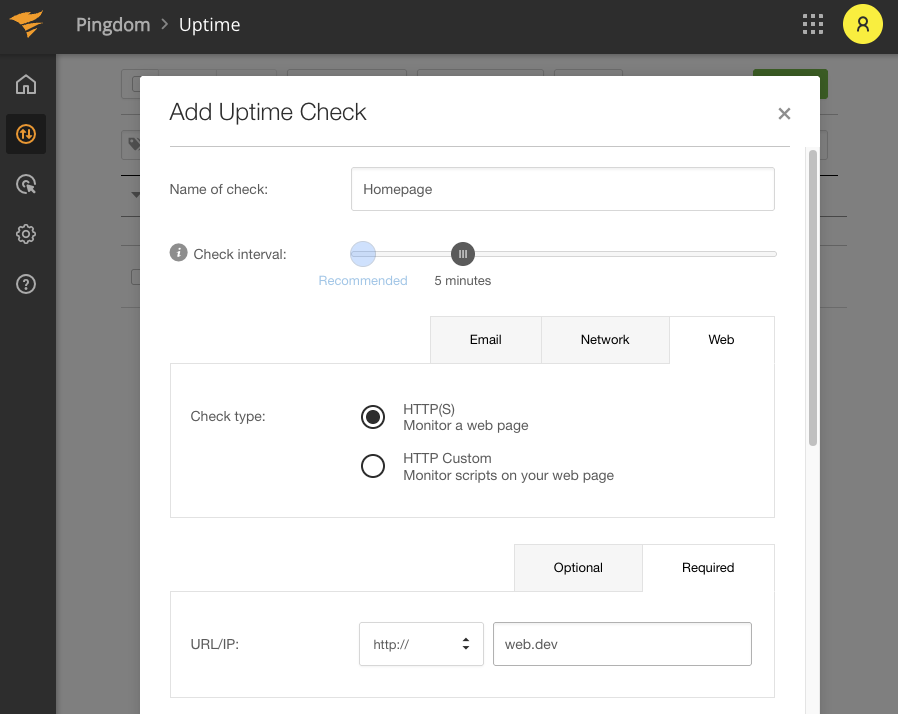
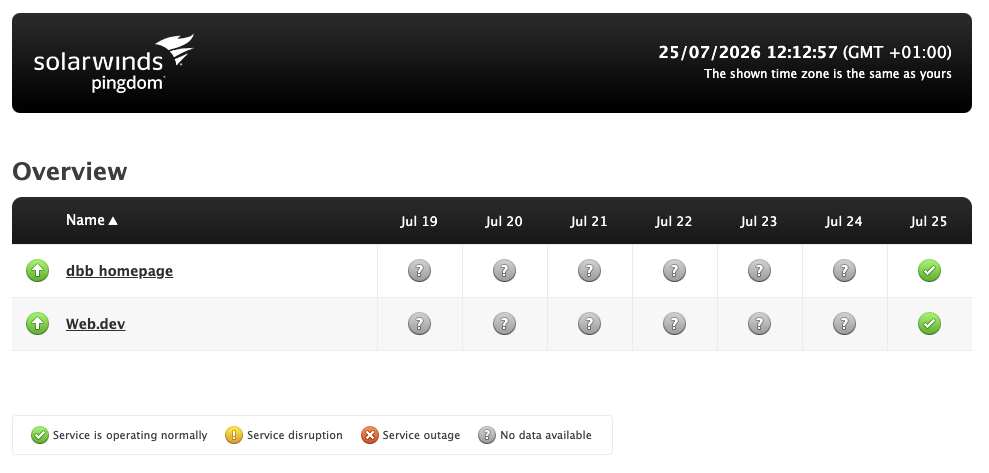
Set up custom status pages to keep your customers up to date with service updates and information on ongoing incidents. However, you can't post manual status updates on active alerts.
Pricing starts at $16.50 for 10 monitors. 100 monitors cost $136.
3. StatusCake
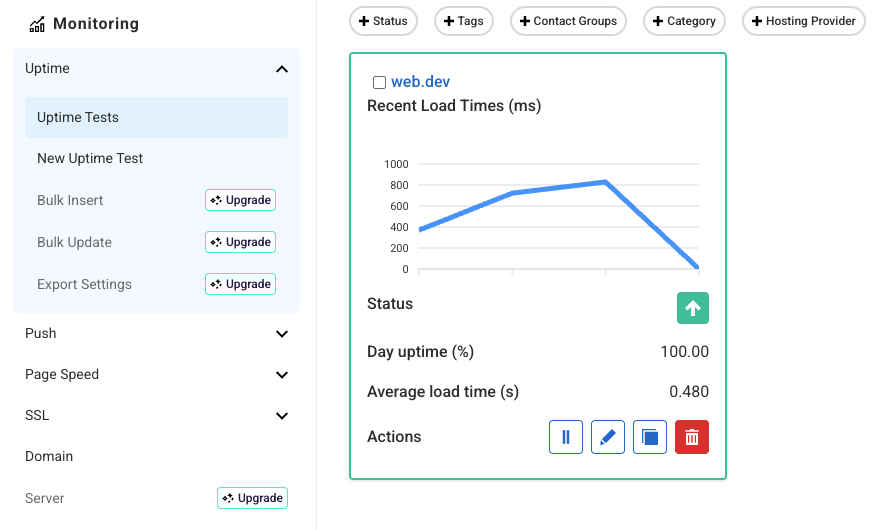
StatusCake lets you monitor website uptime and page speed. You can get alerted to outages and publish public status pages to inform users.
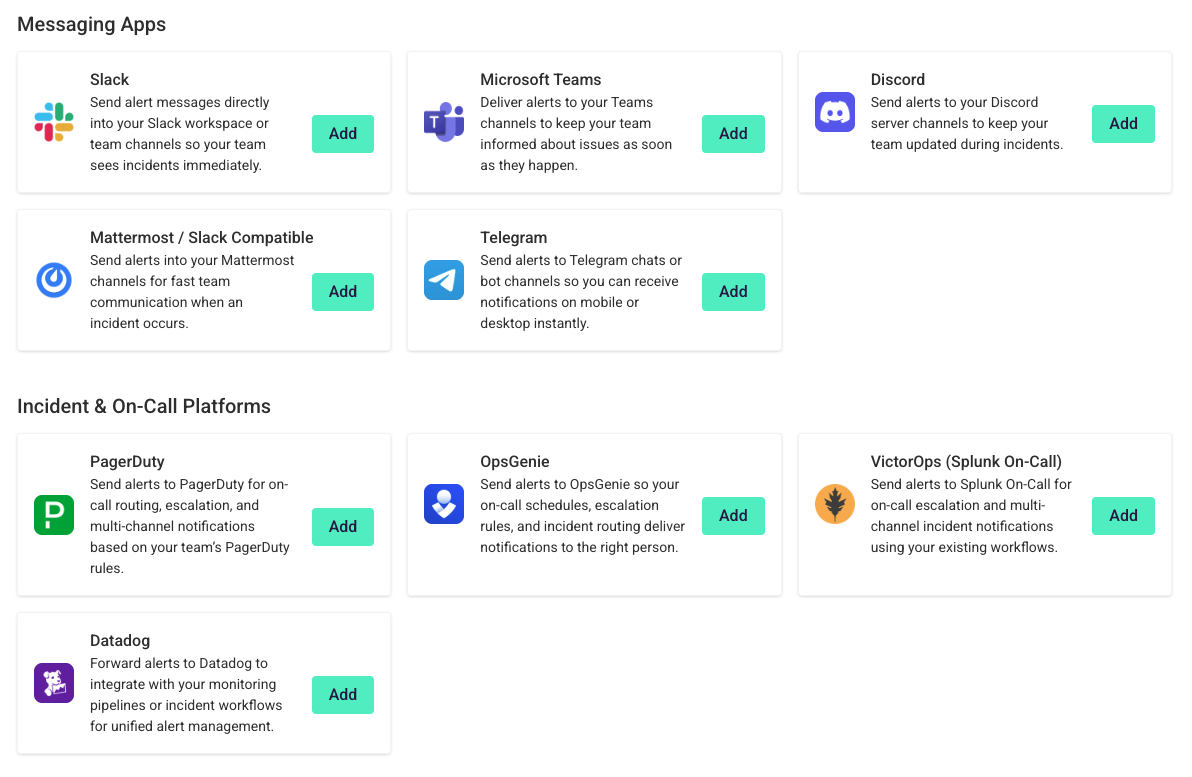
You can pick from a number of different alerting integrations, like Slack, Microsoft Teams, or PagerDuty. StatusCake can also call or text you.
There's a free plan and paid options start from $12.49 a month for up to 100 uptime monitors.
4. Site24x7
ManageEngine Site24x7, owned by Zoho, is a digital experience monitoring solution that provides both website and infrastructure monitoring.
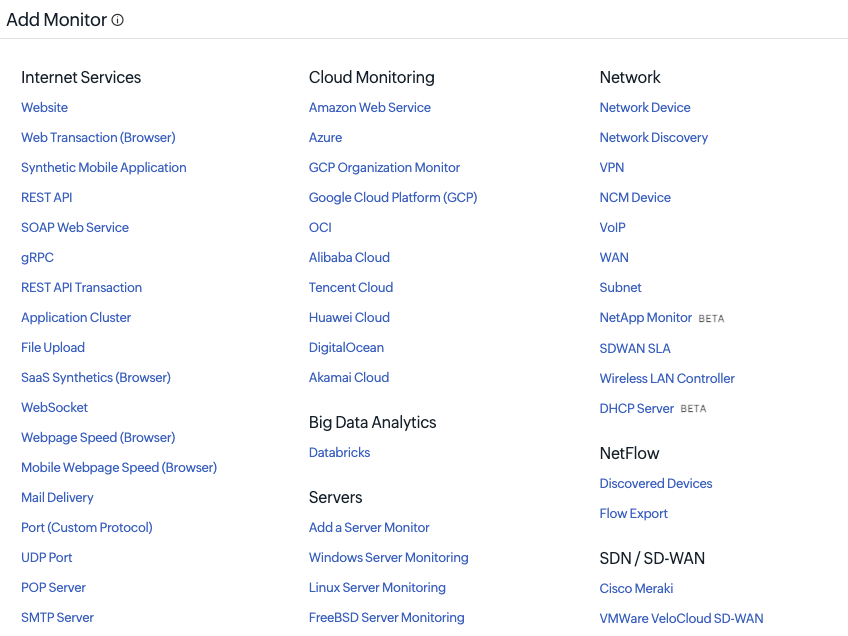
It offers an especially large number of monitor types.
Create a website monitoring check to start continuously testing availability. You need to pick a name, website URL, check frequency, and monitoring location.
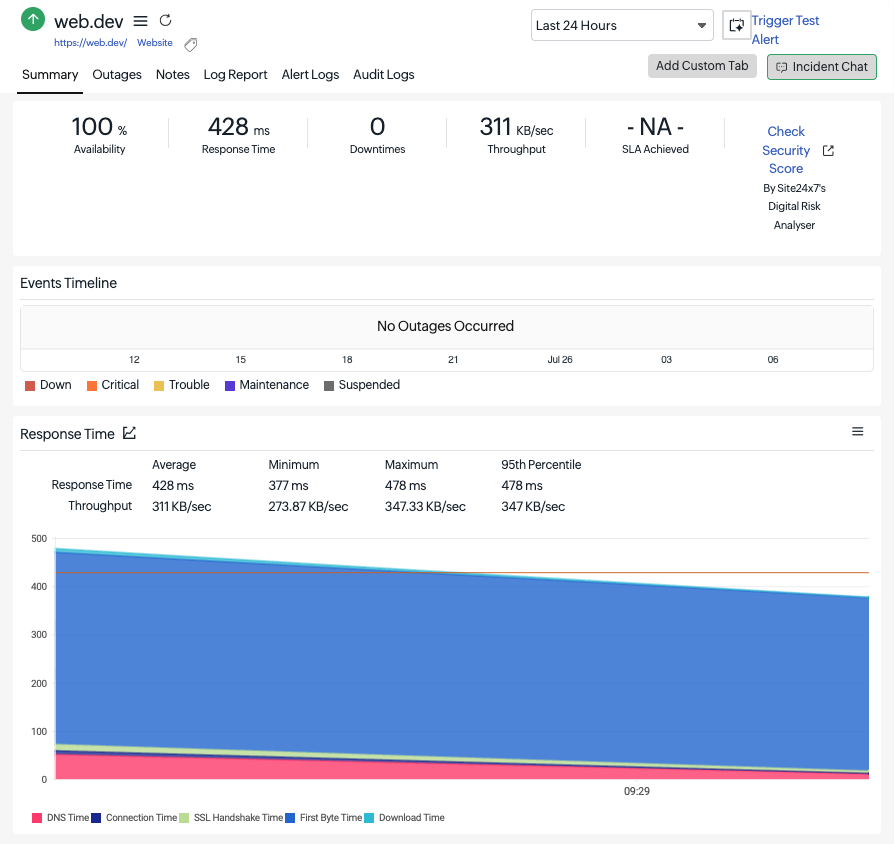
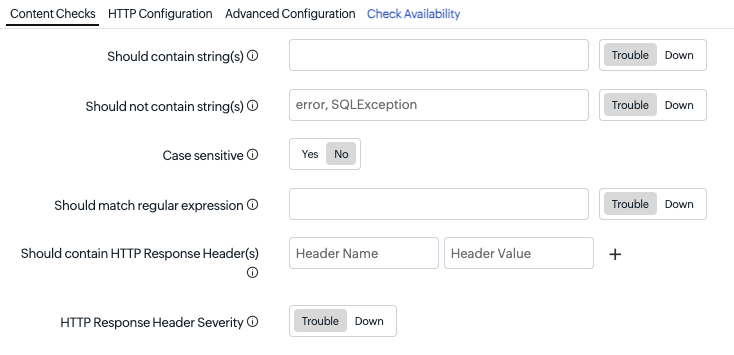
Site24x7 also lets you configure specific assertions, like whether the server response contains a certain string or if a specific header is returned.
Pricing starts from $9 a month for 10 monitors.
5. Uptime.com
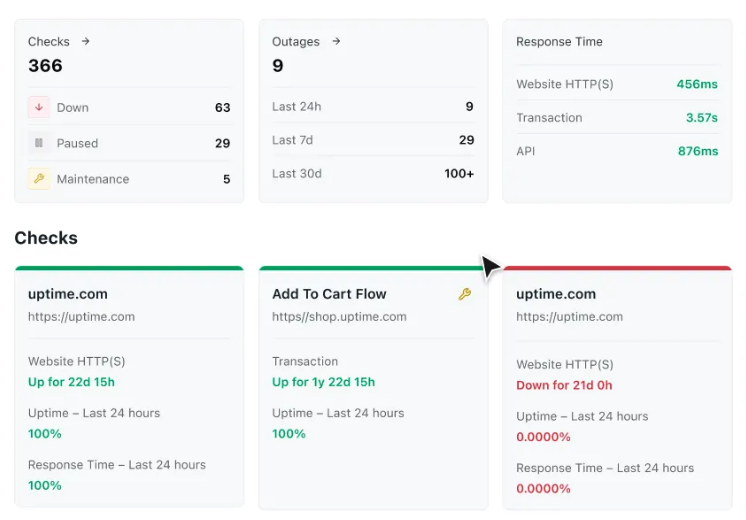
Uptime checks that your website functions reliably by providing a comprehensive platform to monitor your website status and communicate it to customers.
On top of uptime checks you can also collect page speed data based on both synthetic tests and real user monitoring.
Paid plans start from $7 per month.
6. Checkly
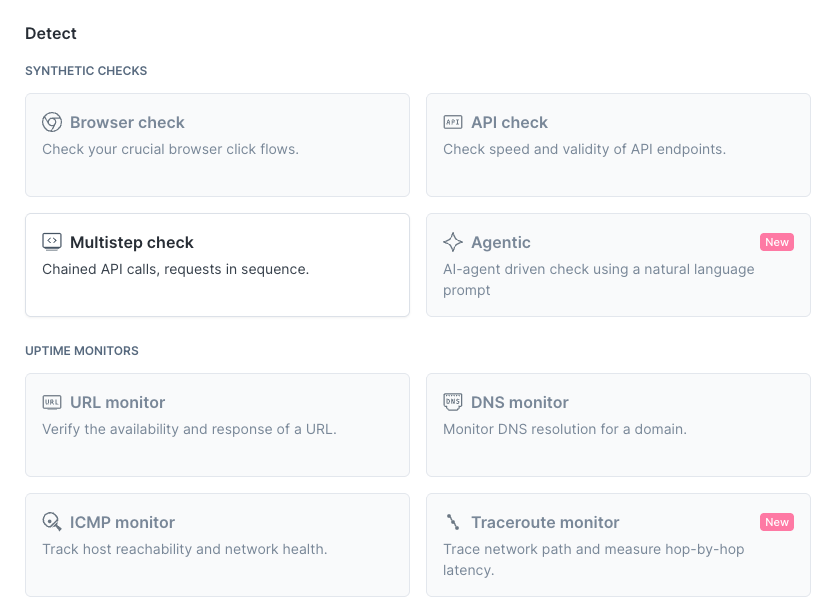
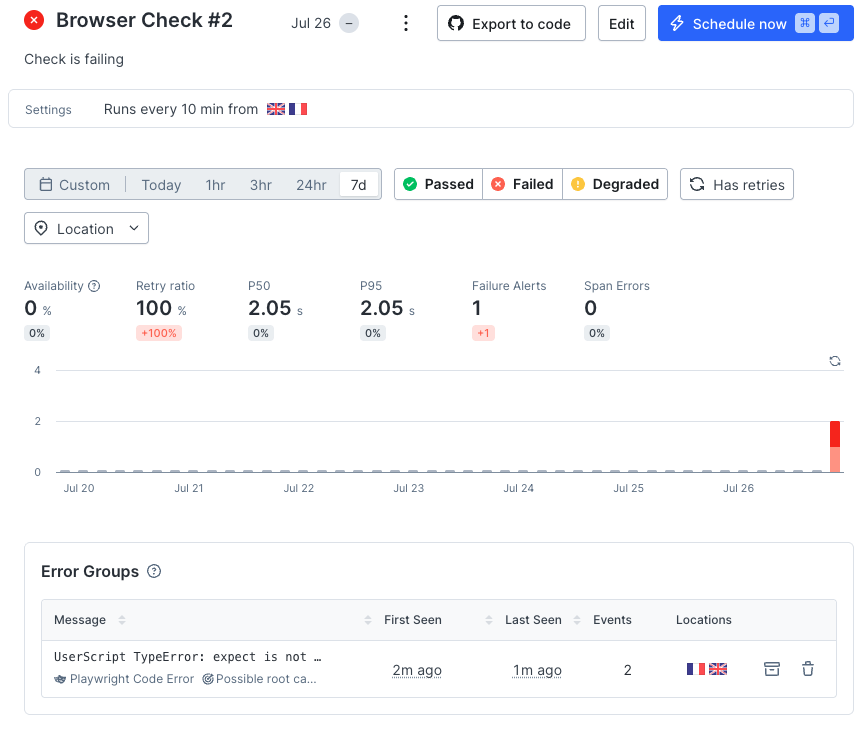
Checkly is a developer-focused tool for continuous website testing and monitoring. You can run browser-based checks, monitor cron jobs, or run Playwright scripts.
You can configure alerts for failing checks and send notifications to your team. Set up public status pages to keep your customers informed as well.
Checkly has a free plan, with paid options starting from $9/mo.
7. Uptrends
Uptrends by ITRS lets you keep track of website availability, run browser tests, and collect real user performance metrics.
The product provides broad monitoring support for scale-ups and enterprise customers. You can run tests from a large number of locations.
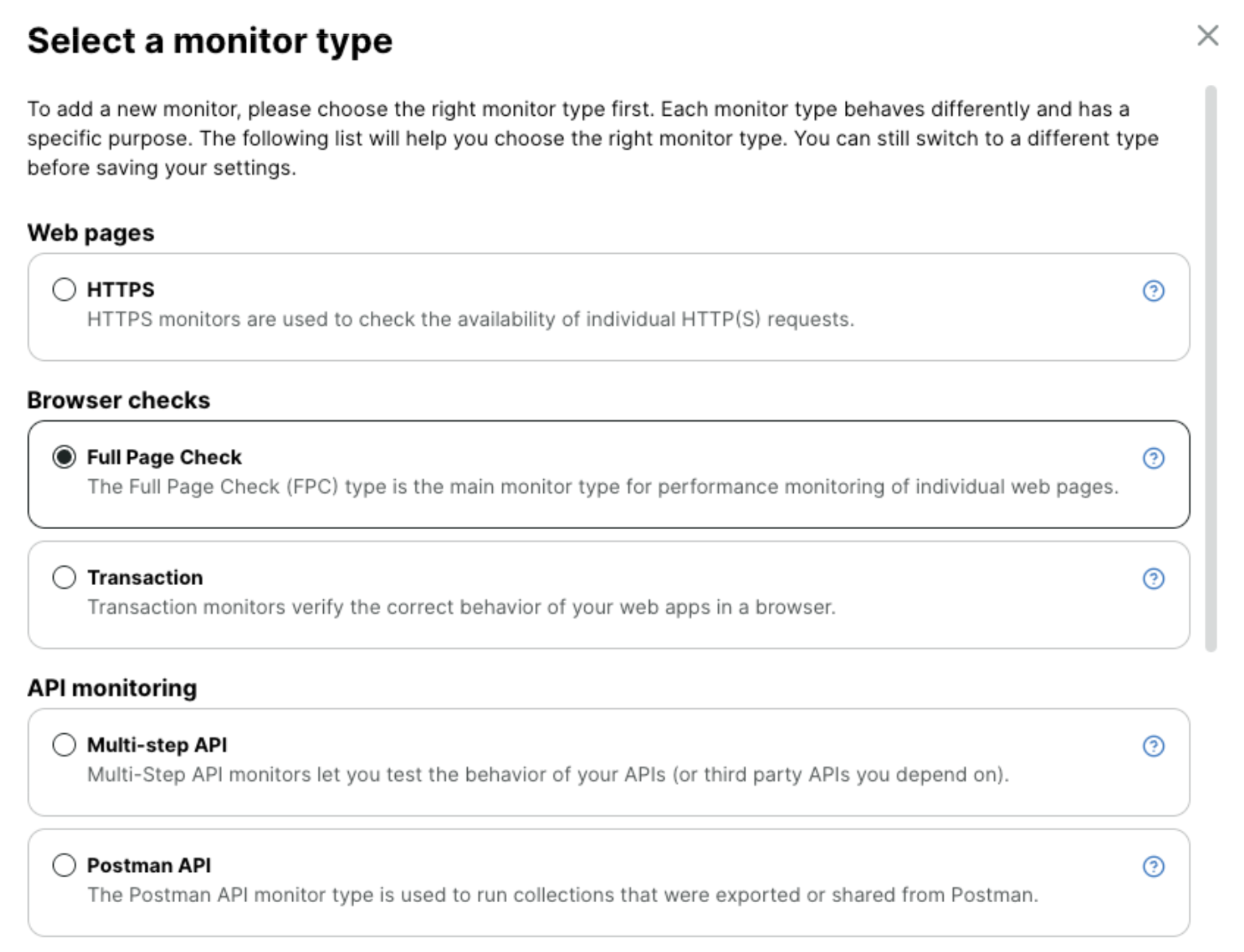
Subscriptions start from $210 a month with a credit-based system.
8. Datadog Synthetic Monitoring
Datadog is a comprehensive observability platform with self-service and enterprise options.
As part of their digital experience monitoring features you can configure HTTP tests to continuously check the uptime of your website.
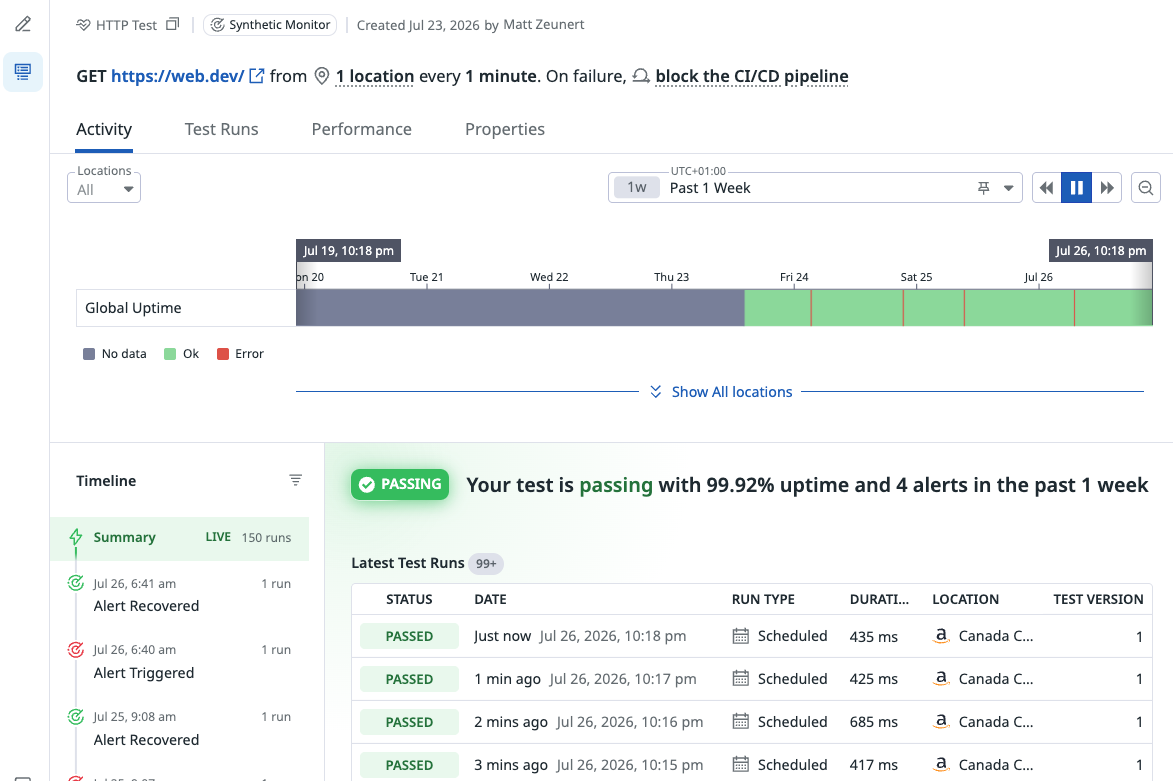
Pricing is based on the number of test runs. For example, 10 monitors with checks every minute would be about 446,400 test runs per month, and would cost around $223.
9. StatusGator
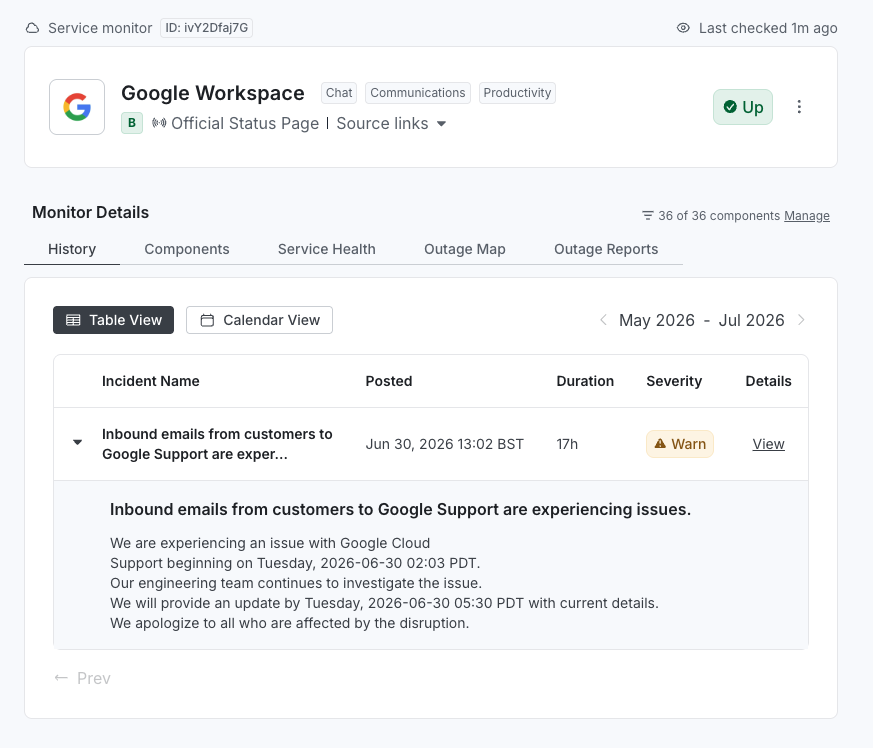
StatusGator provides comprehensive availability coverage for your organization. Unlike other tools it doesn't just monitor your own website, but also keeps track of the services you rely on.
That way, when for example GitHub or AWS go down, your users know right away why some functionality or integrations might be unavailable.
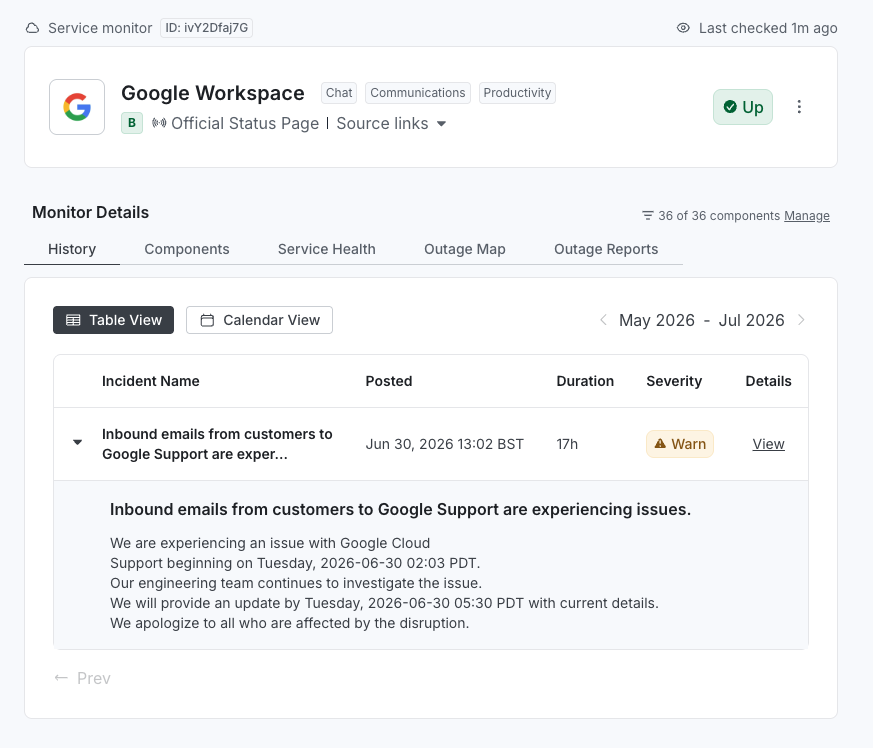
You can then see any ongoing issues on your website or with a third-party provider at a glance.
StatusGator offers a free tier, with paid subscriptions starting from $72 per month.
10. Oh Dear
Oh Dear is an all-in-one monitoring tool and each URL monitor runs many checks like website availability, Lighthouse scores, broken links, and certificate health. This makes it easy to set up monitoring for pages across your website.
The platform then provides detailed reports and historical data through a modern user interface.
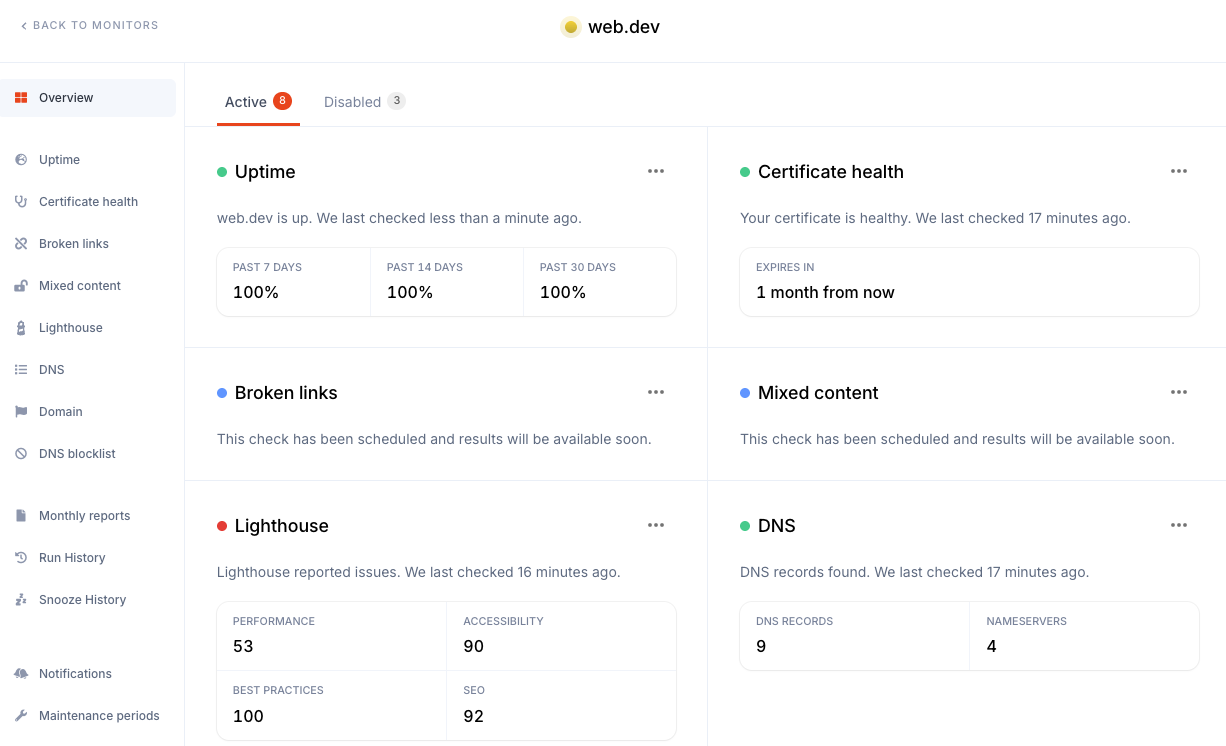
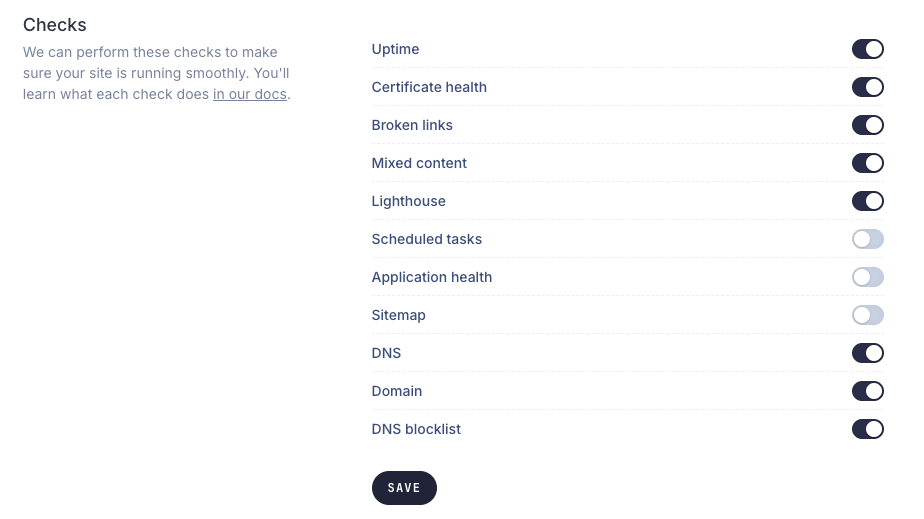
While the initial setup is super easy, you can then customize settings like what type of checks are run, what test location to use, or how frequently to check your website availability.
The uptime checks also support additional settings like looking for a specific piece of text in the response.
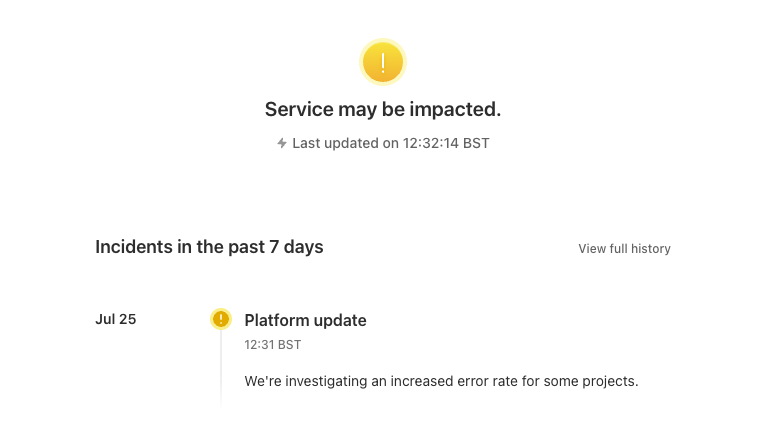
You can also set up status pages based on the monitors you've set up. If you need to provide an update to your customers, just add a note to the status page and select a severity.
Oh Dear pricing starts from €15/mo for the Solo plan. To run 100 site checks you would need the Portfolio plan for €249/mo.
11. Hyperping
Hyperping provides uptime monitoring, custom status pages, as well as extensive functionality for incident management and response.
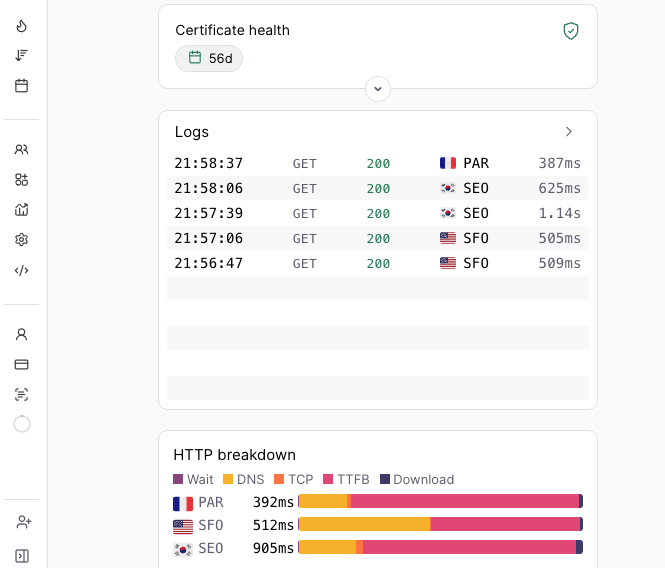
You can validate server responses across different regions and keep track of response times.
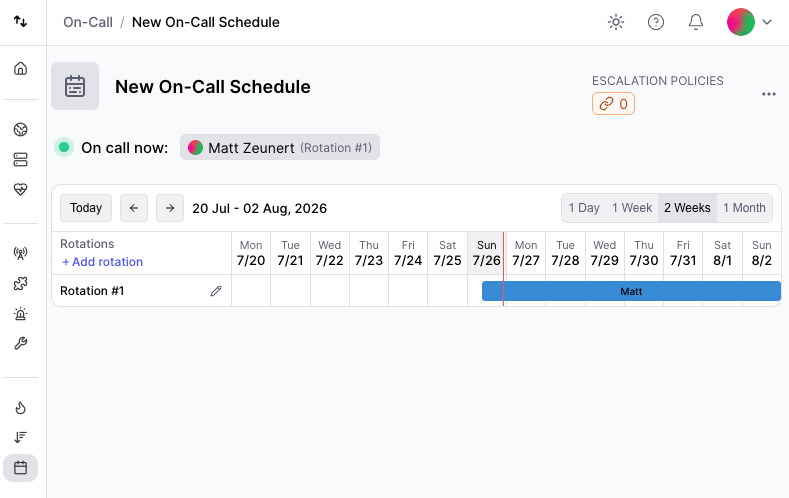
Set up custom on-call schedules and rotas for your team, and define escalation policies to ensure issues get handled.
Hyperping offers a free plan with one seat, or you can subscribe for a paid subscription from $29/mo.
12. Pulsetic
Pulsetic offers website uptime monitoring, cron job heartbeat monitoring, as well as real user performance monitoring. You can also set up custom status pages to track incidents and keep your users informed.
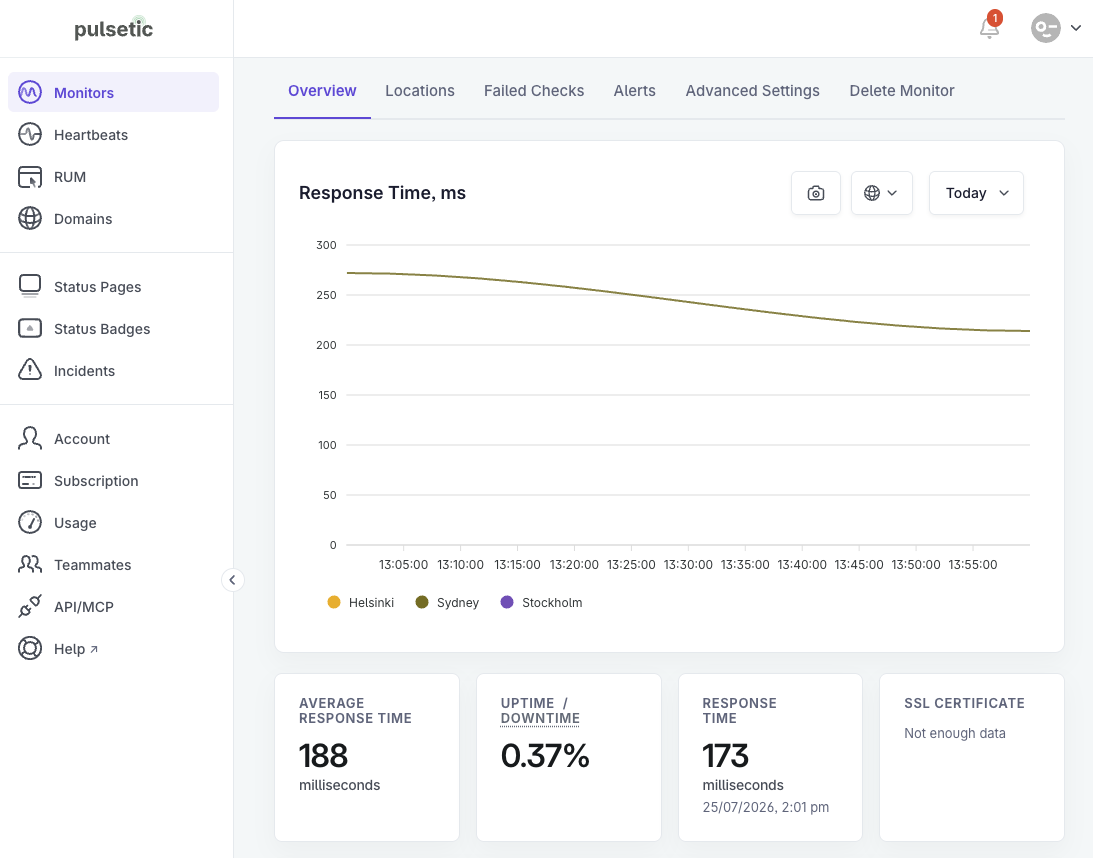
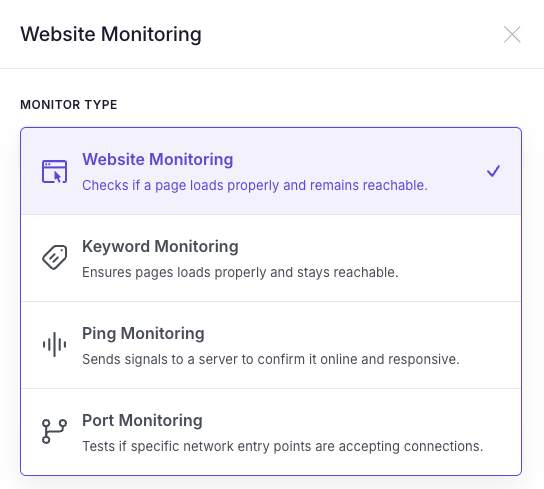
You can run availability checks that validate HTTP response codes, look for specific page keywords, or monitor server pings and network ports.
Pulsetic offers a free plan with up to 10 monitors that run every 5 minutes. Paid plans start at $9/mo.
How to choose an uptime monitoring tool
What tool is best for you depends on your team's needs:
- How many monitors do you need and at what frequency? This will impact pricing across different options.
- Are you looking for a tool focused on availability monitoring, or do you want to monitor page speed or backend performance as well?
- Does your team need integrations with specific services?
- Do you need to set up a customer-facing status page?
- Does your website require a response from your team within minutes or are outages not business critical?
Most of the tools in this list offer a free plan or trial, so the best way to find the right fit is to set up a few monitors and see how each service works in practice.