
Uptrends is a website monitoring service run by ITRS. It keeps track of website availability and performance.
In this article, we'll explore the top Uptrends alternatives for 2026, covering tools that specialize in different aspects of website monitoring and performance testing.
1. DebugBear
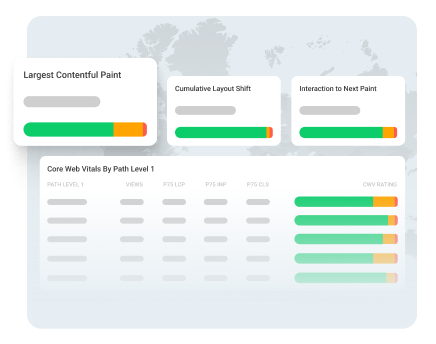
If website performance is important to you, DebugBear provides comprehensive monitoring and advanced technical reports. The tool focuses on user experience and Google's Core Web Vitals metrics.
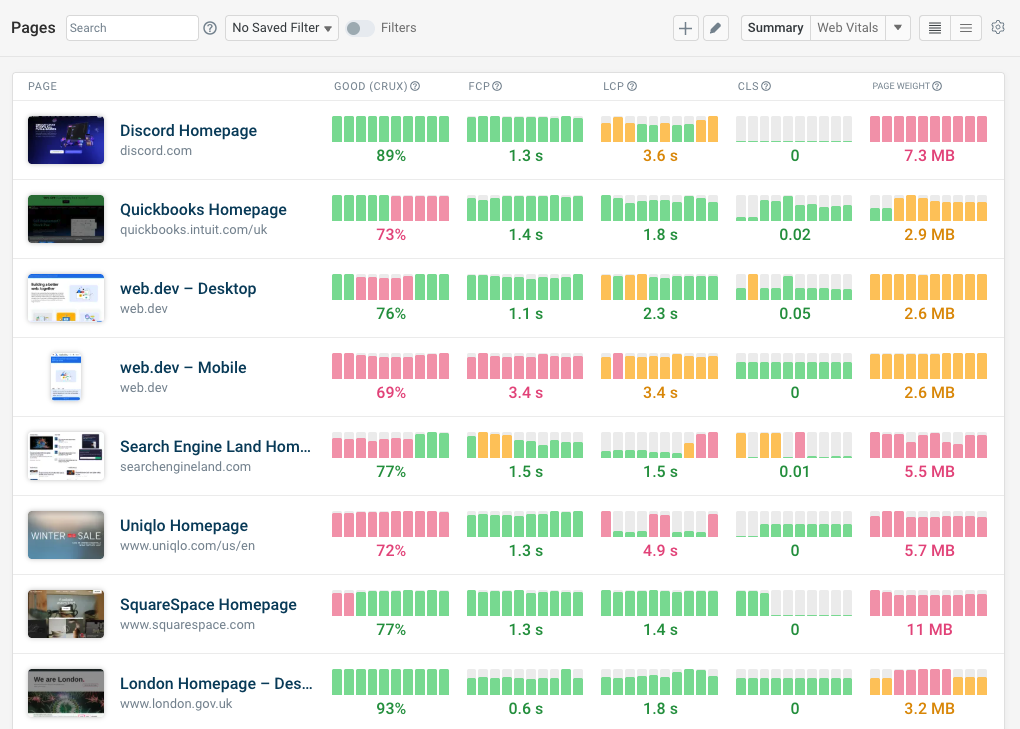
DebugBear supports both scheduled synthetic tests as well as real user analytics. You can also use DebugBear to analyze data from Google's Chrome User Experience Report.
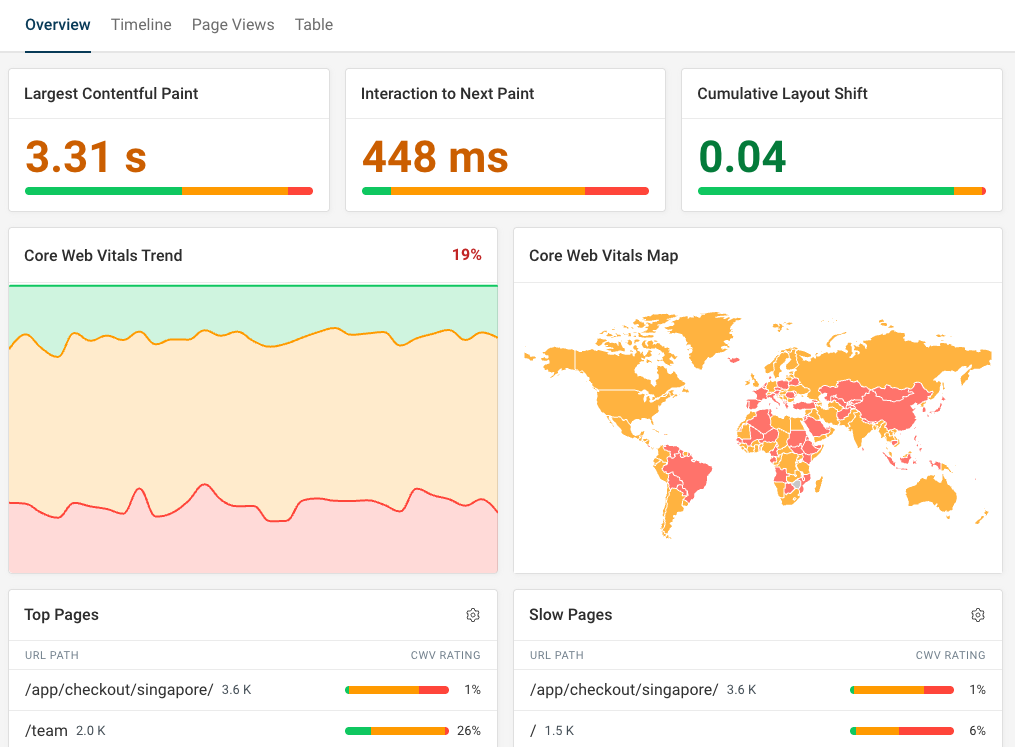
The real user monitoring product surfaces how actual visitor experience varies across your website. Identify slow pages and deep-dive into slow interactions.
You can also record custom metrics and page view tags.
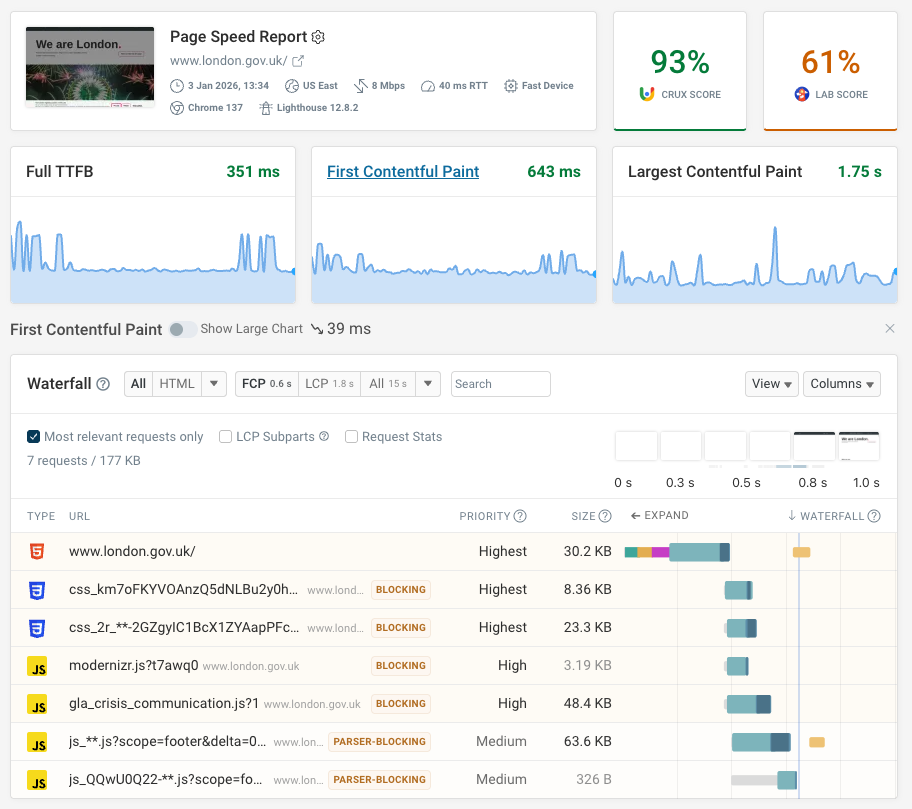
The synthetic monitoring product lets you run regular website checks from 30 different test locations.
DebugBear also provides advanced features for identifying performance bottlenecks:
- Check rendering impact in the request waterfall
- Get tailored recommendations to improve web performance
- Try out fixes using the experiments feature
DebugBear offers a free 14-day trial before you sign up for a monthly or annual subscription.
2. Pingdom
Pingdom is a website monitoring platform that has been around for a long time. Like Uptrends, it provides both real user metrics and synthetic testing.
The product keeps track of key page speed metrics like load time and page weight. However, the metrics it tracks are more traditional technical ones, rather than more modern user-centric metrics.

You can configure pingdom to alert you to page speed regressions and outages. Pingdom also lets you set up public status pages to keep your customers informed.
3. StatusGator
StatusGator is an Uptrends alternative that focuses on website availability monitoring. However, it also provides a unique feature that's not included in Uptrends: third-party service status aggregation.
Providing information on the service providers you depend on means issues will be visible more quickly to your customers. It also helps your internal teams diagnose website issues and reduces support requests.
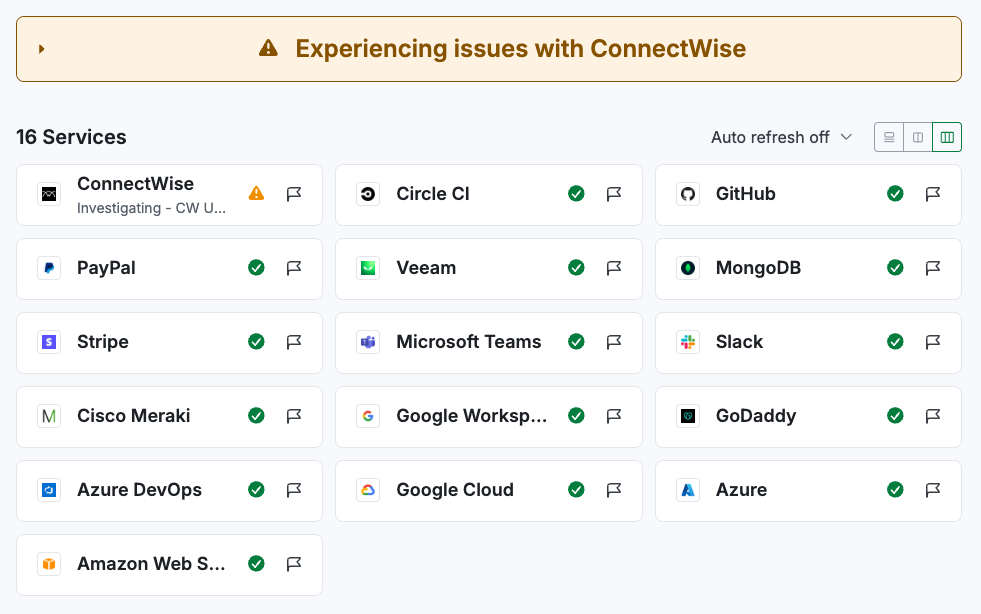
StatusGator focuses on website status specifically. Unlike Uptrends, it does not offer performance testing or transaction monitoring.
4. GTmetrix
GTmetrix is one of the most popular performance testing tools. You can also set it up to run scheduled synthetic tests.
The test result is based on Google's Lighthouse library. You can configure tests to run from different locations, device types, and connection speeds.

After you've set up continuous monitoring, GTmetrix provides a history dashboard showing how your metrics have developed over time. You can also set up custom alerts to be notified of performance regressions.
5. Dynatrace
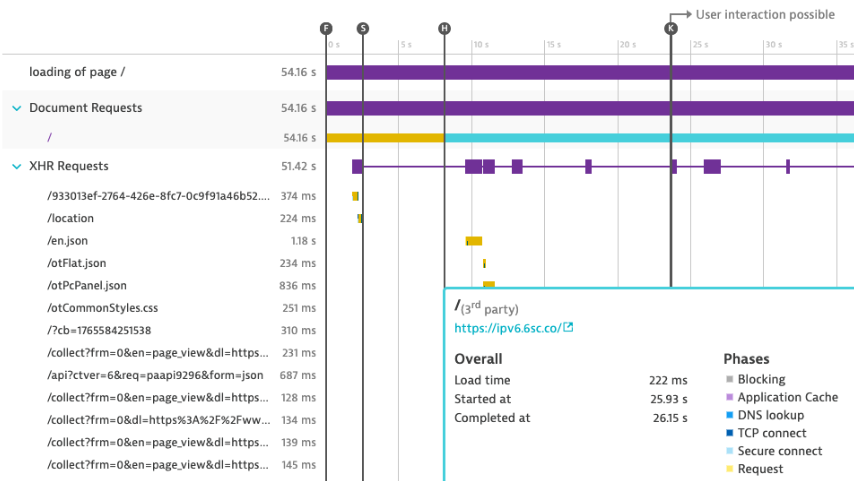
Dynatrace is a comprehensive enterprise-level website monitoring platform. It covers uptime checks, synthetic performance testing, real user monitoring, and much more.
Dynatrace synthetic monitoring supports a large number of test locations and advanced configuration options. However, the reporting and analysis features are less advanced compared to more specialized tools.
What's the best alternative to Uptrends?
The best Uptrends alternative depends on your specific monitoring needs:
- DebugBear is great if you prioritize Core Web Vitals and user experience
- Dynatrace is a more comprehensive platform that reduces the need for multiple monitoring tools
- StatusGator is ideal if you need to communicate website availability to customers or internal users.
Monitor Page Speed & Core Web Vitals
DebugBear monitoring includes:
- In-depth Page Speed Reports
- Automated Recommendations
- Real User Analytics Data